
15 PC Games From the ’90s That Are Somehow Still Better Than Most New Games
Doom, Fallout, StarCraft, Half-Life and more: 15 PC classics from the 1990s that remain genuinely worth playing today.
The easiest way to make a list of "great games from the 1990s" is to collect famous names and let nostalgia do the rest. The more interesting question is whether somebody who did not play these games as a child could install them today and understand why people still care.
That removes plenty of historically important games from consideration.
A game can revolutionize its genre and still be miserable to play thirty years later. Interfaces age. Controls change. Entire design conventions disappear. Sometimes our memories quietly preserve the fun and delete the tedious parts.
The following games pass a harder test. They are not merely important artifacts from PC history. With a little tolerance for old interfaces—and sometimes a modern source port or compatibility patch—they are still legitimately good games.
1. Doom — 1993
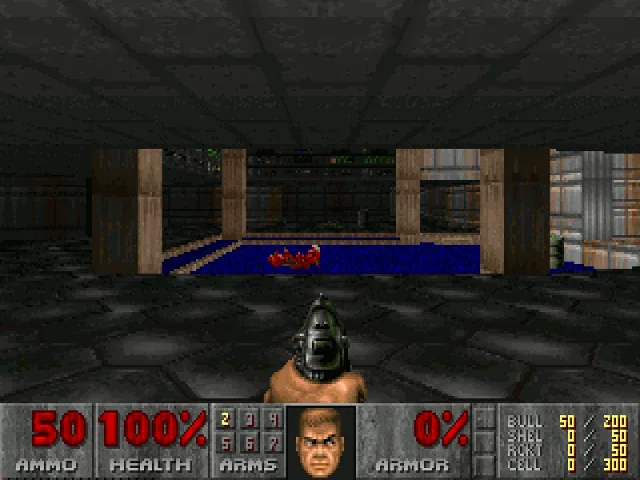
There is a reason people have ported Doom to calculators, cameras, refrigerators and virtually everything else containing a processor.
Doom is extraordinarily direct. There is almost no friction between starting the game and understanding what it wants from you. Move quickly, read the architecture, manage ammunition, find keys and kill everything standing between you and the exit.
The graphics are obviously old. The underlying movement is not. Doom is fast in a way many later shooters deliberately aren't, and its combination of speed, spatial navigation and aggressive enemy design still makes encounters enjoyable.
Perhaps its greatest advantage today is the enormous ecosystem surrounding it. Modern source ports can make Doom comfortable on contemporary machines without changing the levels that made it famous.
2. Command & Conquer: Red Alert — 1996
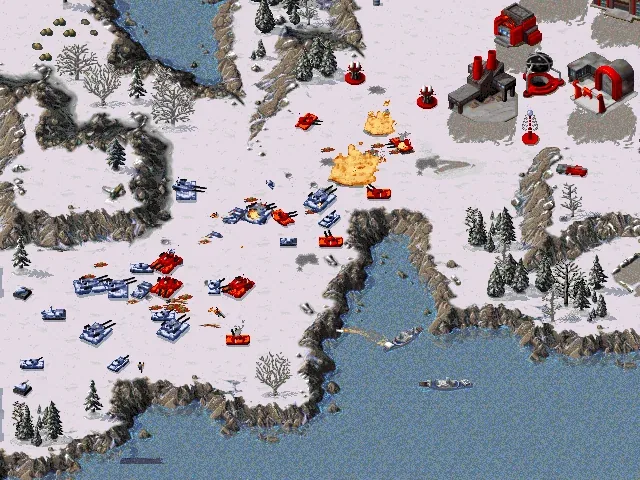
Real-time strategy games eventually became complicated enough that learning one could feel like enrolling in evening classes.
Red Alert comes from an earlier period. Gather resources, build a base, produce armies and overwhelm the enemy. There is depth underneath it, but the fundamental language of the game is immediately understandable.
Its exaggerated alternate-history setting also helps. Red Alert knew that tanks, tesla coils and wonderfully theatrical military briefings were more entertaining if the game didn't pretend to be entirely serious.
3. Diablo — 1996
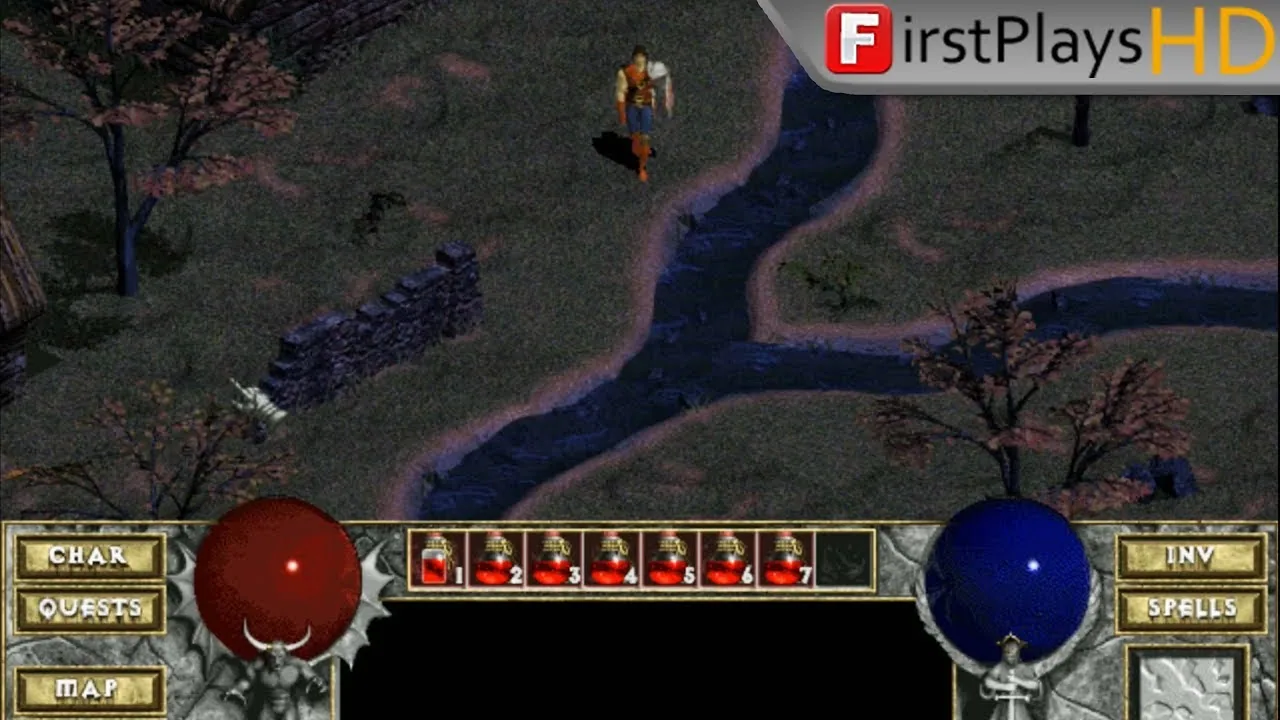
Modern action RPGs inherited so much from Diablo that returning to the original can feel oddly familiar.
The town sits safely above. Beneath it, a dungeon extends deeper and becomes increasingly dangerous. You kill monsters, discover equipment, improve your character and convince yourself that you will stop after seeing what lies on the next floor.
That last part is Diablo's real legacy.
Its descendants became enormously more elaborate, but Blizzard had already discovered the psychological loop that mattered: uncertainty about what you might find after the next monster dies.
4. Quake — 1996
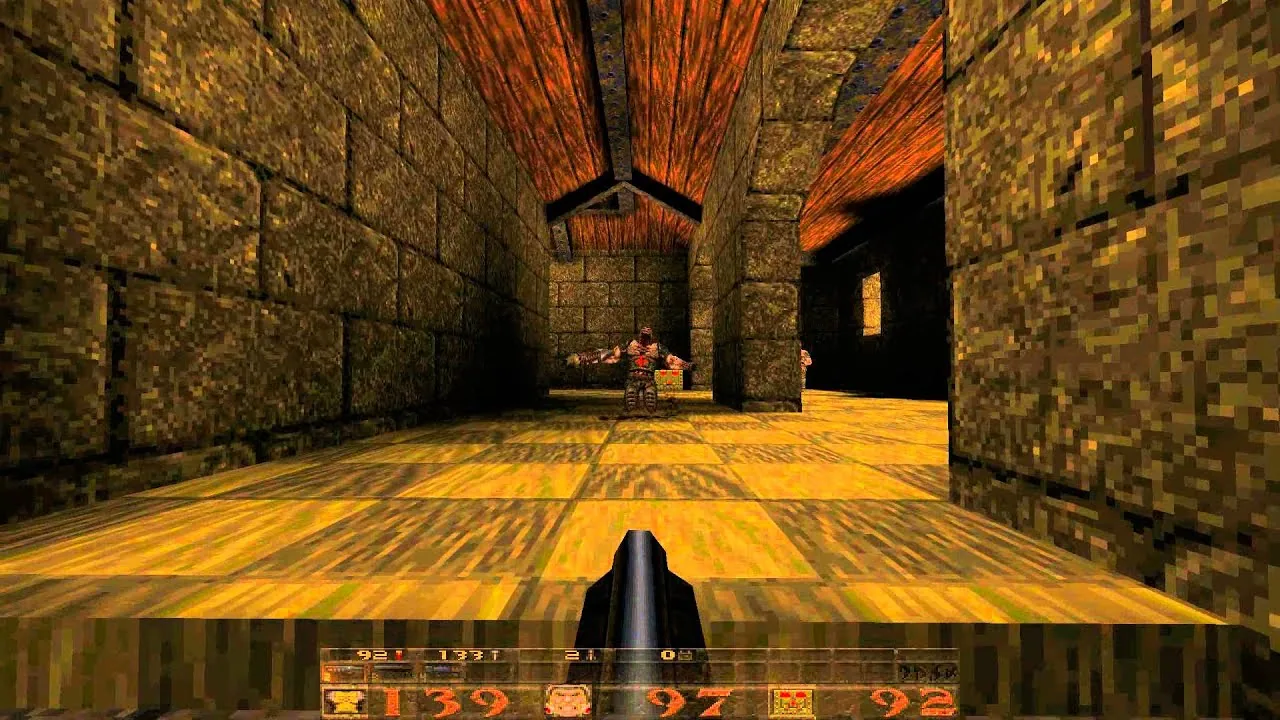
Doom showed what a pseudo-3D action game could accomplish. Quake helped drag first-person shooters into genuinely polygonal 3D environments. NVIDIA's history of real-time graphics similarly identifies Doom and Quake as major turning points between constrained early 3D and fully polygonal worlds.
What keeps Quake playable is not its historical importance, though. It is the movement.
There is a physical rhythm to navigating Quake's levels that remains enjoyable even after the technology stopped being impressive. The strange mixture of medieval stone, industrial machinery and Lovecraftian horror has also aged better than many attempts at 1990s realism.
5. Fallout — 1997
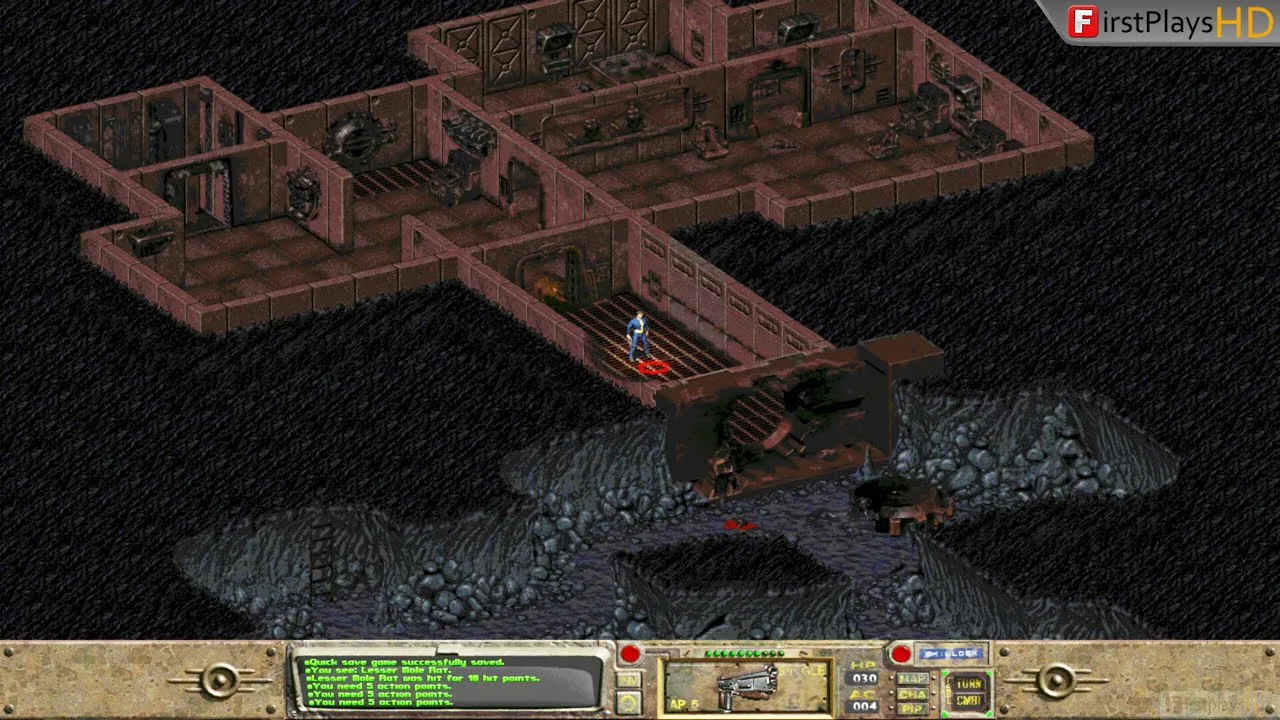
The original Fallout is slower and more awkward than its modern descendants, but it retains something many enormous open-world RPGs struggle to reproduce: the feeling that the game is genuinely interested in how you choose to solve a problem.
Combat is only one tool.
Character statistics matter in conversations. Intelligence changes dialogue. Skills create alternate approaches. Decisions ripple into later situations.
The interface is very much from 1997, but the role-playing remains remarkably modern.
6. Age of Empires — 1997
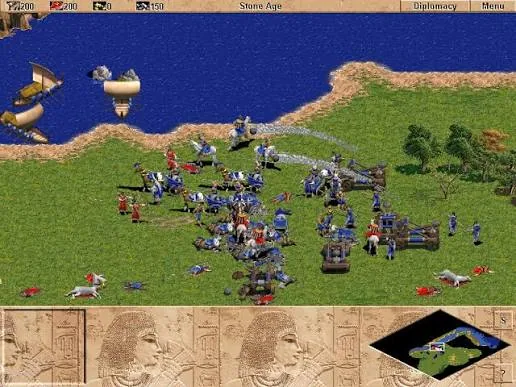
Age of Empires turned human history into an immensely approachable strategy toy box.
You begin with almost nothing, gather food and wood, expand a settlement, advance through technological ages and eventually send increasingly sophisticated armies across the map.
Later entries refined practically everything, but the original established the satisfaction of watching a primitive settlement gradually transform into a functioning civilization.
7. Ultima Online — 1997
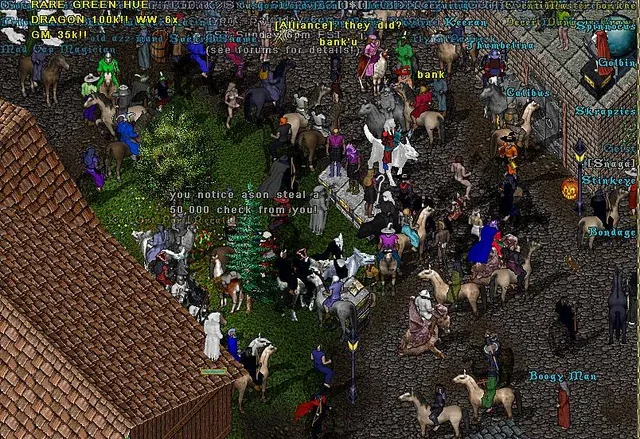
Ultima Online is harder to recommend as a straightforward modern game than some titles here, but its influence is difficult to overstate.
It helped demonstrate that an online world could be more interesting when players were allowed to become merchants, criminals, craftsmen, explorers and social nuisances rather than simply adventurers following a predetermined path.
A surprising amount of what modern players associate with persistent online worlds was already being explored here.
8. StarCraft — 1998
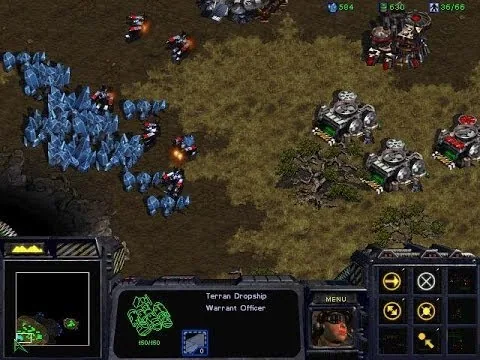
Plenty of strategy games let factions look different. StarCraft made them behave differently.
Terran, Zerg and Protoss armies operate according to distinct assumptions about production, unit composition and combat. Yet the game manages to make those asymmetries readable.
That design became strong enough to support an extraordinarily competitive scene, particularly in South Korea, but you don't need to be a professional player to appreciate it. The campaign remains an excellent introduction to a strategy game that continually reveals more complexity the better you understand it.
9. Baldur's Gate — 1998

Modern RPGs often promise freedom by giving players enormous maps.
Baldur's Gate's freedom comes from systems.
Party composition matters. Spells interact. Exploration can lead to encounters you were nowhere near prepared to handle. Companions have personalities and disagreements rather than functioning purely as interchangeable combat units.
Its second-edition Dungeons & Dragons rules require adjustment for newcomers, but beneath that complexity is an RPG built around curiosity.
10. Thief: The Dark Project — 1998
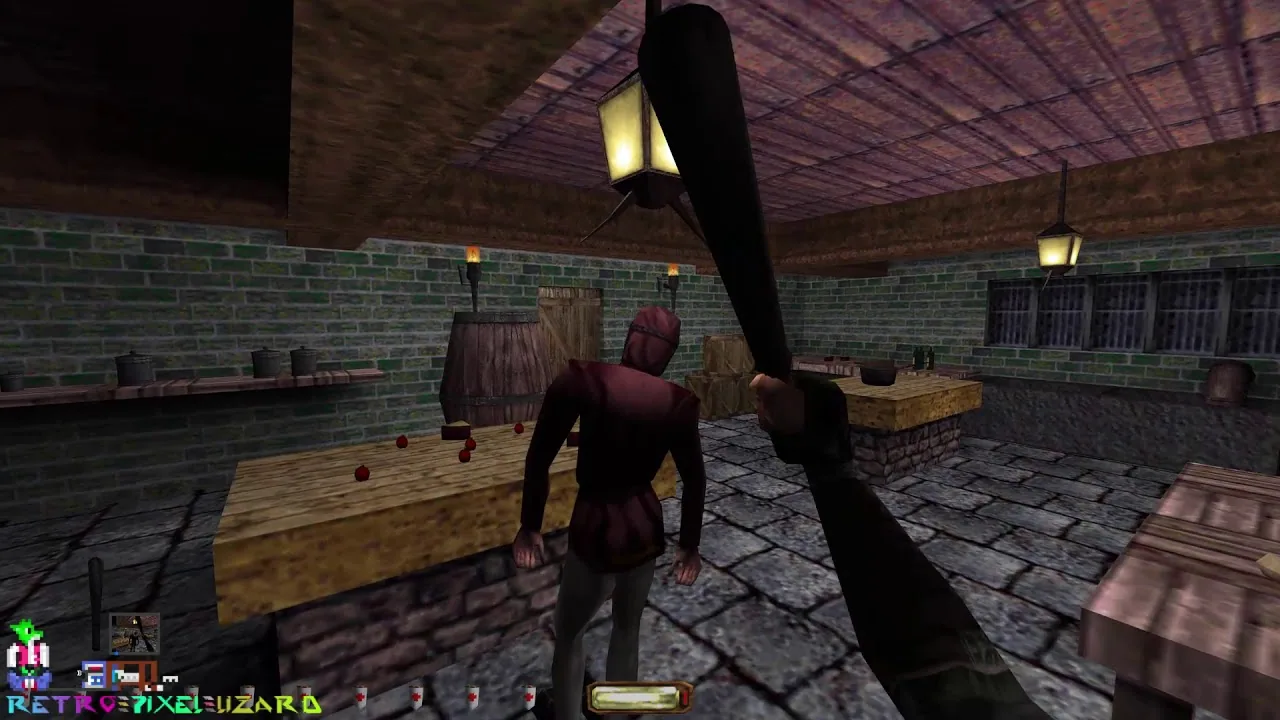
Many games contain stealth mechanics. Thief is built around the idea that avoiding attention is the main event.
Light matters. Sound matters. The material beneath your feet matters because walking across tile is louder than crossing carpet. Your character is powerful when hidden and vulnerable when discovered.
That design produces tension without requiring dozens of enemies or constant action.
More than twenty-five years later, plenty of stealth systems are still variations on ideas Thief was already exploring.
11. Half-Life — 1998
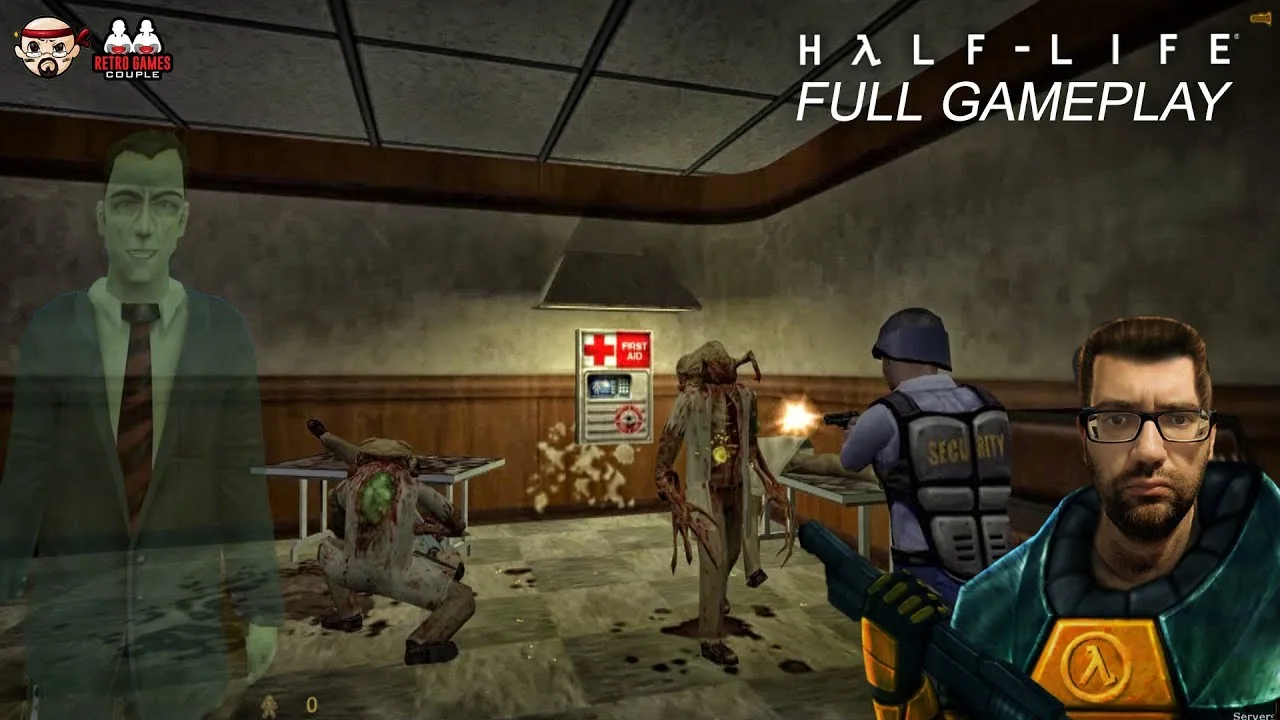
Half-Life's opening famously refuses to hurry.
You ride into Black Mesa on a tram while the facility quietly introduces itself. Scientists work. Machines operate. Security guards stand at their posts. When everything eventually collapses, you understand what has been lost because you saw the place functioning first.
The technique seems ordinary now because so many games copied it.
In 1998 it felt transformative.
Half-Life showed that a first-person shooter could tell much of its story without repeatedly taking control away from the player.
12. Grim Fandango — 1998
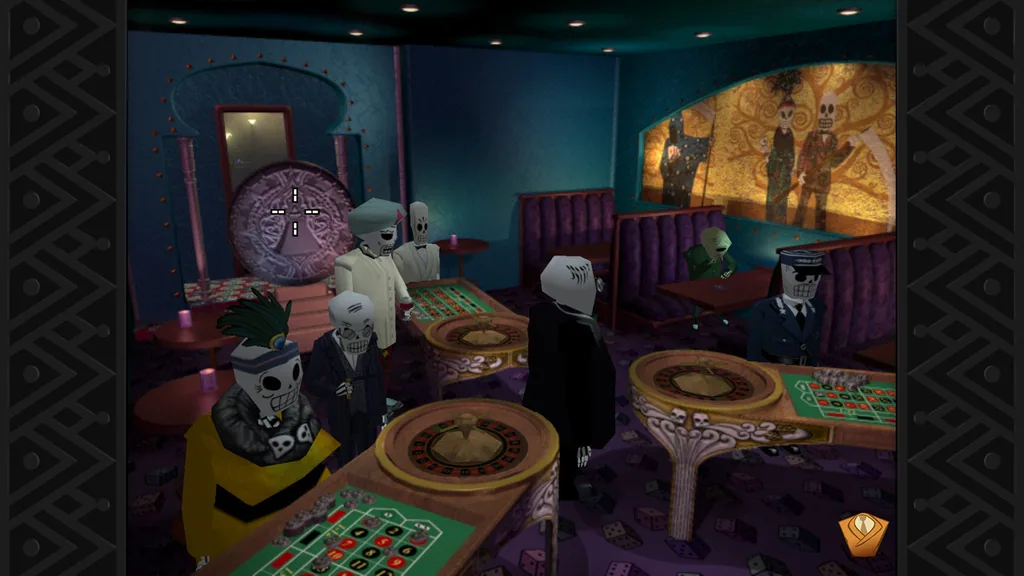
Adventure-game puzzle logic from the 1990s can be brutal, and Grim Fandango isn't completely innocent.
But its world remains extraordinary.
Film noir, Mexican traditions surrounding the afterlife, art-deco architecture and absurdist comedy somehow coexist without the game collapsing under the weight of its own influences.
Its remastered version also removes some of the control friction associated with the original release, making this one of the easiest classic adventure games to revisit.
13. System Shock 2 — 1999
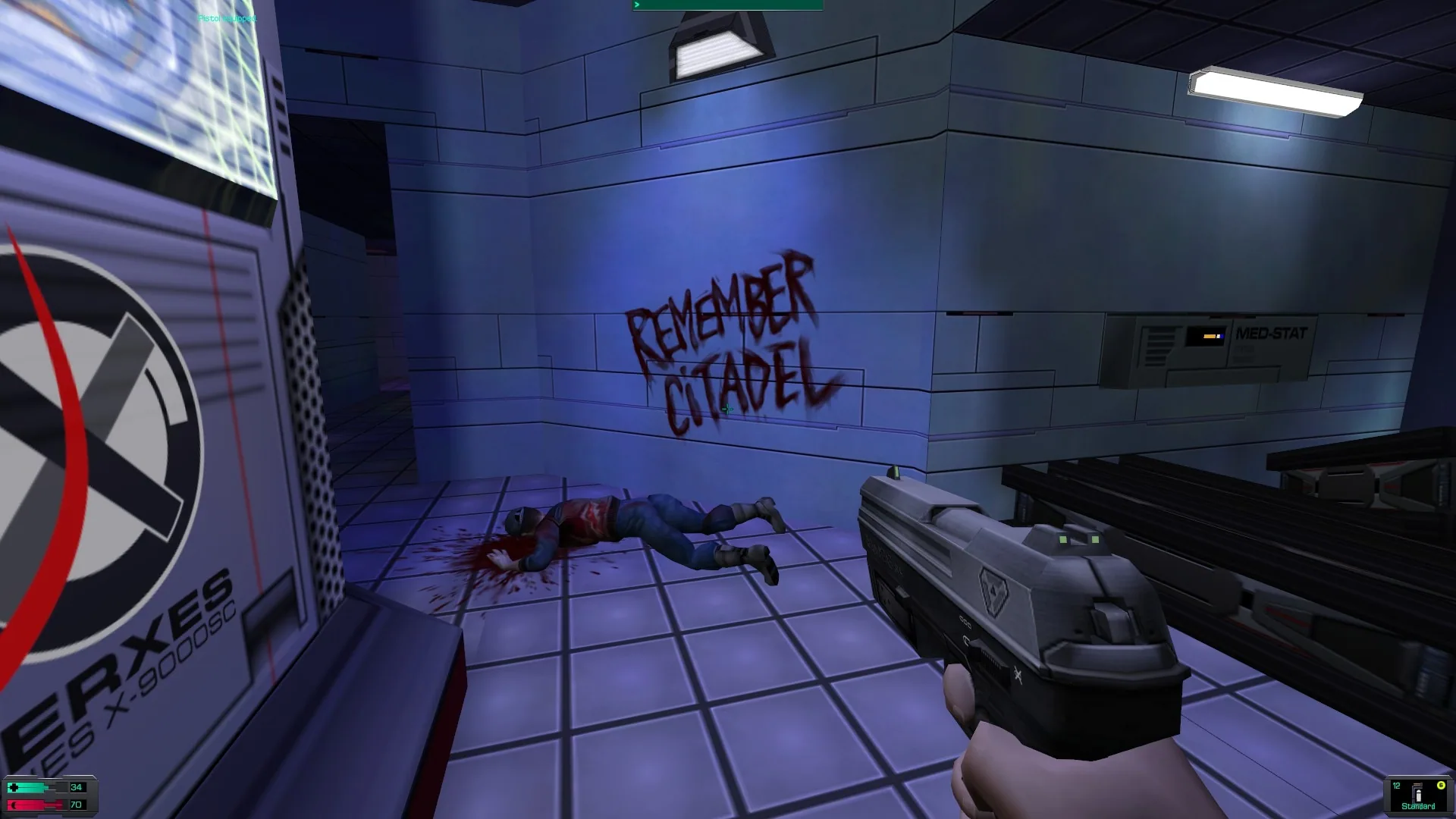
System Shock 2 understands that horror becomes more effective when the player has complicated systems to worry about.
You are exploring a dangerous spacecraft, but you are also managing weapons, ammunition, character upgrades and limited resources. Every decision carries opportunity cost.
The result sits somewhere between shooter, role-playing game and survival horror—and helped define the family of games that would later be described as immersive sims.
14. Heroes of Might and Magic III — 1999
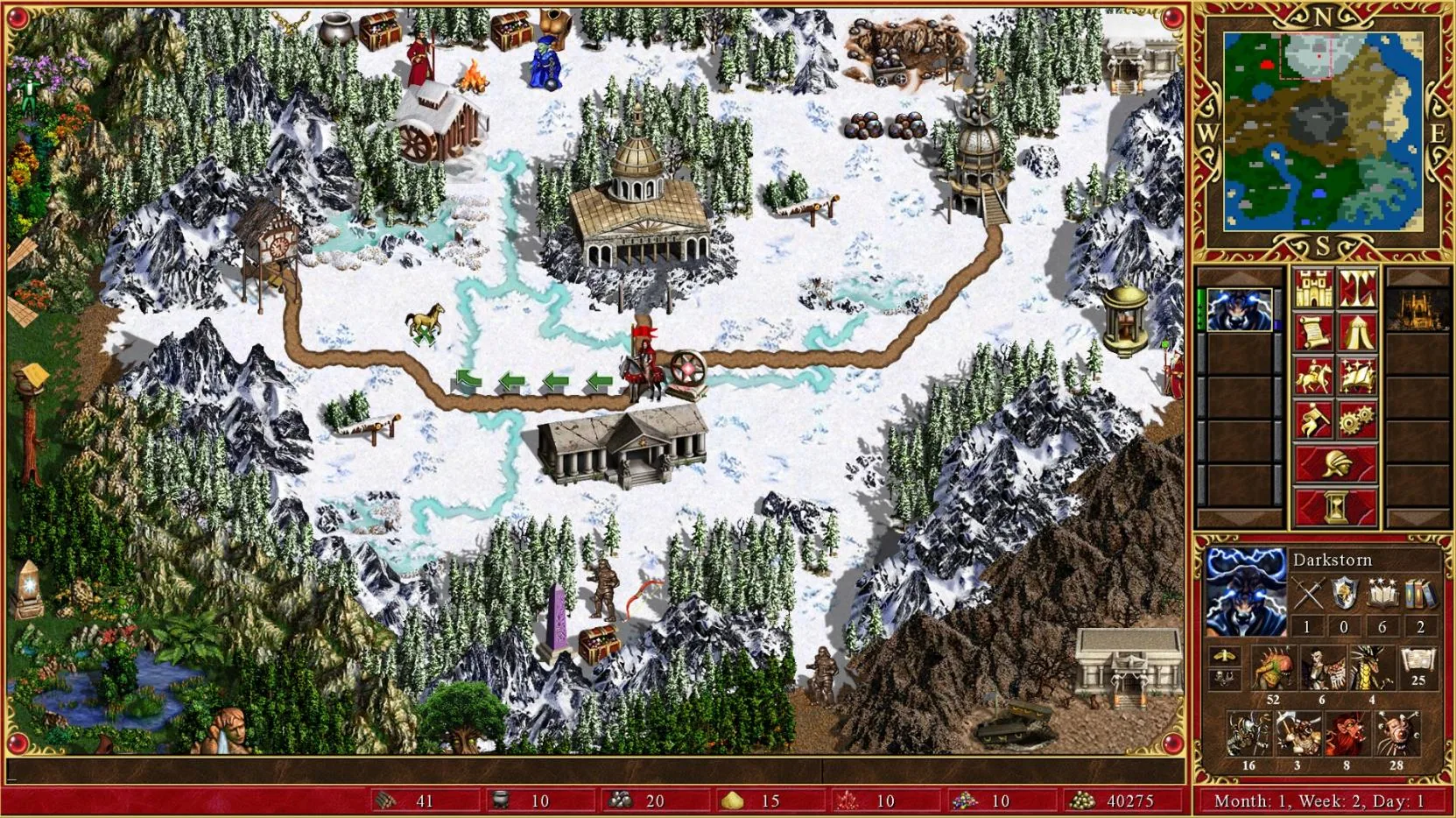
Few strategy games have aged as gracefully as Heroes III.
Part of the reason is visual. Its colorful hand-painted aesthetic is not attempting realism, so technological progress has not made the artwork look particularly embarrassing.
More importantly, the underlying loop is almost absurdly compelling. Explore a map, claim resources, improve towns, recruit creatures, develop heroes and watch small armies grow into ridiculous fantasy forces.
A single turn has a dangerous tendency to become twenty.
15. RollerCoaster Tycoon — 1999
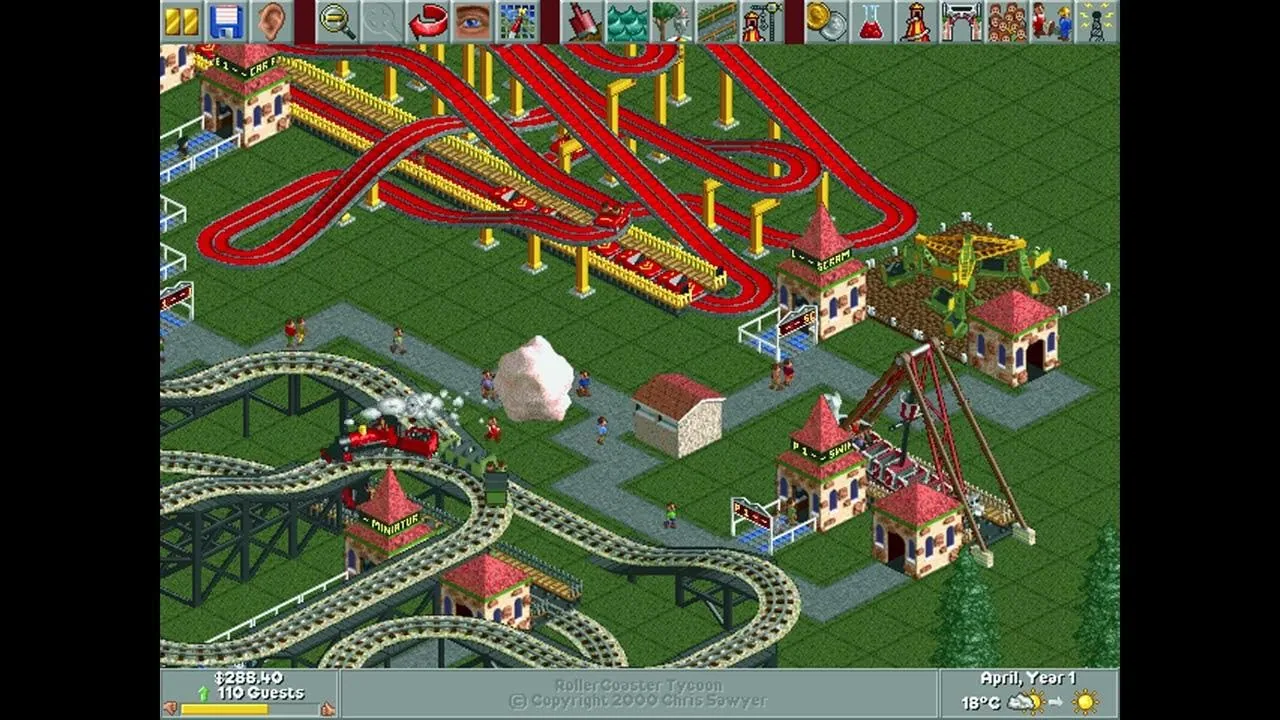
RollerCoaster Tycoon remains one of the great examples of a simulation game making complexity feel playful.
You design roller coasters, manage staff, set ticket prices, improve paths, watch guest behavior and slowly discover all the ways a theme park can go wrong.
The tiny isometric visitors communicate remarkable amounts of information through simple animations and thoughts.
Even more impressively, the original game was largely written by Chris Sawyer in assembly language—a technical achievement that feels almost as improbable today as some of the roller coasters players built with it.
The 1990s aren't special because games were "better back then"
They weren't universally better.
There were dreadful games, broken games, impossible interfaces, terrible ports and enormous quantities of shovelware. Time simply filtered most of them from memory.
What makes the best 1990s PC games interesting is that developers were establishing genres whose conventions had not yet hardened. First-person shooters, real-time strategy, action RPGs, online worlds, immersive sims and graphical adventures were all experimenting with what they could become.
Some experiments failed.
These did not.
That is why they are still worth playing. Not because we need to pretend 640×480 graphics were superior to modern rendering, but because good game design does not automatically expire when the hardware surrounding it becomes obsolete.